



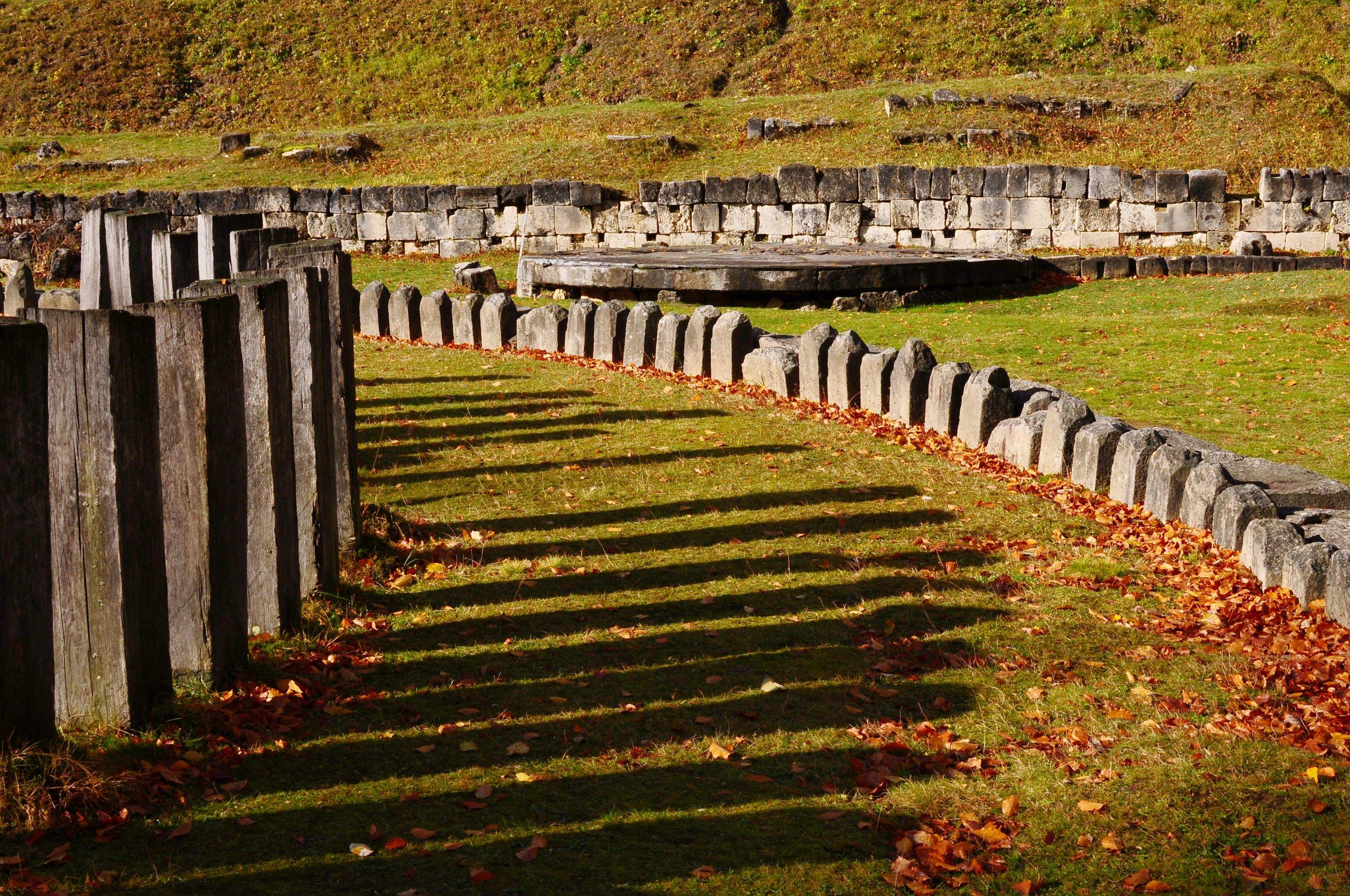





🌞August was hot but also very productive for us, as 28 kids and young people with vision and a lot of potential from Hunedoara county took part in the first edition of our Little Archaeologist Summer School!
There was a good collaboration between our Romanian partner, the Mihai Eminescu Trust Foundation and the National History Museum of Transylvania, responsible for organizing the camp. Excavation simulations, useful trips to the Dacian fortresses, various competitions organized by teams, but also sports and relaxation activities, all went very well together!

Here's what we achieved:
The kids became familiar with the role, purpose and methods used in archaeological research and with the major archaeological discoveries in the Orăștiei Mountains area.
They found out about the role that they will play in the future in the preservation and restoration of local heritage.
The children understood how human activities leave traces in the soil and how the layers that archaeologists follow are formed.
They recreated a Dacian wall and learned about the methods used to build it.
The practical activities suggested and simulated the complexity and rigor imposed by the work of archaeologists.
Their imagination was stimulated to the maximum when they were able to create individual patterns to decorate Dacian style ceramics, at a level beyond the expectations of the organizers.
To summarize, we believe that the Summer School organized in Costești in August 2022 was truly a success! Collaboration, teamwork, recognition of the talent and skill of some of the participants in certain activities allowed the teams to come together, and winning the competitions gave them the validation of the choices that they made.
See you all next year!

Collaboration, teamwork, recognition of the talent and skill of some of the participants in certain activities allowed the teams to come together, and winning the competitions gave them the validation of the choices made. The organizers have identified several participants whose level of knowledge and involvement in activities related to archaeological research and local heritage is very high, and for them we will try to make participation in the next edition safe because they are poles of dissemination among students of a similar age.

The Capital of Dacia - A LIVING MUSEUM OF THE EUROPEAN CULTURAL HERITAGE is financed with the support of EEA Grants 2014-2021 within the RO-CULTURE Programme.
EEA and Norway Grants
RO-Culture Programme
EEA & Norwegian Grants
Ministry of Culture
Project Management Unit - UMP
National Heritage Institute -
Hunedoara County Council
Mihai Eminescu Trust
Møre og Romsdal fylkeskommune